It is also true that color has turned into a characteristic of the current beverage industry. Consumers do not just choose beverages according to taste only; appearance is a strong force in perception and buying. Sparkling mocktails to healthy smoothies, food coloring has changed the way drinks are made and served. Vivid colours are used to denote freshness, flavour intensity, and creativity and are thus necessary in cafes, restaurants and beverage manufacturers in an effort to make a difference in competitive markets. The color psychology of drinks is also important.
Knowledge on the Use of Food Coloring in Beverage Formulation.
Beverage development needs to be done with a keen consideration to taste, aroma, text and appearance. Drink coloring has a technical and aesthetic purpose. It also has to be easy to dissolve, stable even at different temperature levels and has to remain vibrant over time. In carbonated drinks, dairy-based drinks, or herbal infusions, the coloring should fit in perfectly without influencing tastes in the drinks. Manufacturers tend to depend on the suppliers of food coloring powder to offer stable and concentrated colours that are up to the industry standard.
The Reason why Powdered Food Colores are becoming the favourite of the industry.
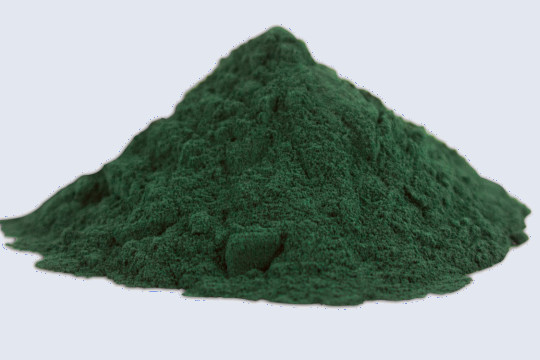
Colorants that are used to be incorporated in drinks have taken the form of powdered colours, and this has become a favourite among manufacturers of drinks across the globe. In contrast to liquid alternatives, powdered ones minimize the chances of contamination and provide more capability in formulation. Quality certifications, along with color intensity and solubility performance, are often the top priorities of beverage companies looking to find reliable suppliers in regard to food-coloring powder. The other benefit is cost efficiency. The number of powdered colours needed to produce a lively product is usually less and is thus cost-effective in the production of bulk beverages.
Beverage color trend innovation and customization.
The current beverage market is highly innovative. Smoothies, mocktails, and layered beverages taking different colours take over social media. Food colourings are used as a means of creativity in this landscape. Gradient effects, dual-tone presentations and temperature-sensitive colours are some of the experiments that manufacturers are trying to entice the modern consumer. Tailor-made has also taken centre stage. Beverage brands tend to partner with food coloring powder suppliers in the creation of specific colours that correlate with brand identity. Tones can be used to establish brand awareness and differentiate products in the busy retail marketplace.
Standards of Safety and Quality in the choice of colours.
The use of food coloring for drinks is still important in quality assurance. Manufacturers of beverages have to make certain that the colorants are in accordance and in line with the food regulations and international standards. To ensure that compliance is maintained, trustworthy suppliers of food coloring powder will have proper documentation, such as a purity report and a safety certificate. Stability testing is another very important aspect. The colours must not discolour or change their taste when subject to light, various PHs and refrigeration.
Appliance in a Diverse Beverage Line.
The process of food coloration of drinks traverses a large market segment of beverages. Carbonated soft drinks are coloured in bright colours to add value to them in terms of eye appeal and branding. Pastel hues in dairy products like flavoured milkshakes make the product look appetizing. Sports beverages usually depend on the bright, vigorous colours that depict dynamism and performance. Color is also a signature in even high-end cocktail mixes and non-alcoholic craft beverages. To find colours that will match flavour themes and seasonal releases, many beverage creators rely on suppliers of food coloring powders that they trust.
Sustainability and New Trends in the Industry.
Sustainability is one of the issues that has taken centre stage in manufacturing food and beverages. Responsible sourcing and effective packaging are issues to which producers are turning. The food coloring powder manufacturers are also retaliating by buying large quantities of the food coloring powder in concentrated formulations, which consume less packaging and less effects of transportation. In addition, individuals are getting into more interested in natural color solutions, or plant-based solutions as people are looking at cleaner ingredient labels.
Conclusion
The history of the beverage design reveals the increased importance of color as both an aesthetic and tactical element. With the increased need to have visually appealing drinks, manufacturers have to focus on quality, innovation, and reliable sourcing partners. Foodrgb.com offers a wide range of comprehensive coloring solutions to support vibrant, stable and market ready beverages creation by businesses that are interested in advanced coloring solutions.