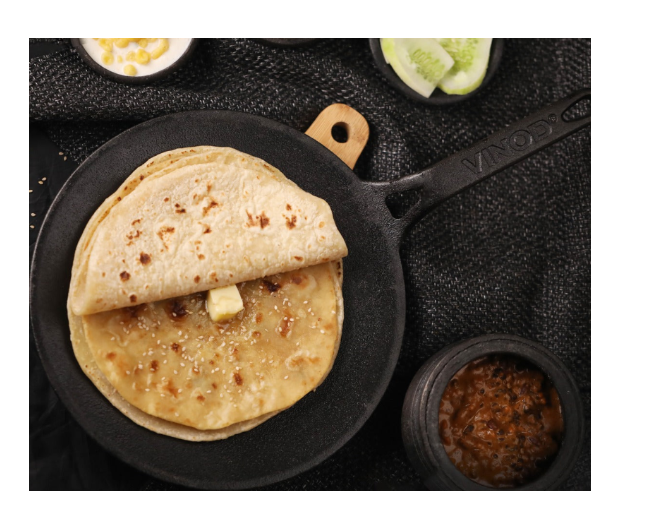
The unmistakable sound of a steak hitting a hot surface is enough to excite any home cook. That sharp sizzle signals the beginning of something special—a golden crust forming, flavors intensifying, and aromas filling the kitchen. Achieving that restaurant-quality sear at home doesn’t require complicated equipment. It requires one essential tool: a high-quality skillet. The right pan skillet can make the difference between pale, overcooked meat and a beautifully caramelized masterpiece.
Whether you’re preparing steak, chicken, seafood, or vegetables, a well-crafted skillet pan delivers the intense, even heat necessary for perfect searing. Let’s explore what makes a skillet exceptional and how you can choose the best one for your kitchen.
Why Searing Matters
Searing is more than just browning food. It’s a chemical reaction known as the Maillard reaction, where proteins and sugars transform under high heat to create complex flavors and appealing textures. A proper sear locks in juices and builds depth in taste.
However, this process requires consistent, high heat. A low-quality pan skillet may struggle to maintain temperature, leading to uneven cooking. A premium skillet, on the other hand, distributes heat evenly and retains it long enough to create that perfect crust.
Key Features of a High-Quality Skillet
Choosing the right skillet involves understanding several important features.
1. Material Composition
The material of your skillet plays a major role in performance.
- Cast Iron Skillet: Known for superior heat retention and durability. Ideal for steaks and thick cuts of meat.
- Stainless Steel Skillet: Excellent for even heat distribution and easy maintenance. Perfect for pan sauces.
- Carbon Steel Pan Skillet: Lightweight yet capable of high heat, often favored by professional chefs.
Each type has its strengths, but the goal remains the same—steady heat for consistent searing.
2. Thickness and Weight
A heavier skillet generally retains heat better. Thin pans may cool down quickly when food is added, preventing proper browning. A sturdy pan skillet ensures the surface temperature remains stable throughout the cooking process.
3. Surface Finish
Some skillets come pre-seasoned, especially cast iron and carbon steel options. This creates a natural non-stick layer that improves over time. Stainless steel skillets rely on proper preheating and oiling for non-stick performance.
4. Handle Design
A comfortable, heat-resistant handle makes cooking safer and more enjoyable. Look for riveted or securely attached handles that feel balanced when lifting the skillet.
The Importance of Heat Retention
Heat retention is crucial for perfect searing. When you place a cold steak into a pan skillet, the temperature drops. If the skillet cannot recover quickly, the meat releases moisture instead of browning.
High-quality skillets maintain and quickly regain heat, allowing proteins to caramelize properly. This is why professional kitchens rely heavily on durable, heavy-bottomed pans.
To test your skillet’s readiness, preheat it over medium-high heat for several minutes. Add a few drops of water—if they dance and evaporate quickly, the skillet is ready.
Versatility Beyond Searing
While searing is a primary function, a quality skillet offers far more versatility.
- Frying eggs and breakfast items
- Sautéing vegetables
- Preparing one-pan meals
- Baking cornbread or frittatas (in oven-safe skillets)
- Creating rich pan sauces after searing meat
An oven-safe skillet allows you to start cooking on the stovetop and finish in the oven seamlessly.
Proper Searing Technique
Even the best skillet requires proper technique for optimal results.
- Preheat Thoroughly: Give your pan skillet enough time to heat evenly.
- Pat Food Dry: Moisture prevents browning.
- Use High-Smoke-Point Oil: Oils like avocado or canola oil work well.
- Avoid Overcrowding: Too much food lowers temperature.
- Let It Sit: Resist the urge to move the food too soon.
Once a crust forms, the food will naturally release from the skillet.
Maintenance and Longevity
A high-quality skillet can last for decades with proper care.
- Cast Iron and Carbon Steel: Clean gently, dry thoroughly, and apply a thin layer of oil after washing.
- Stainless Steel: Wash with warm water and mild detergent. Use baking soda for stubborn stains.
Avoid soaking cast iron in water, as it can cause rust. Proper maintenance not only extends the skillet’s lifespan but also enhances its performance.
Sustainability and Value
High-quality cookware reduces waste. Instead of replacing worn-out pans every few years, a durable skillet can serve your kitchen for generations. Many professional chefs rely on the same pan skillet for years because performance improves with use.
Choosing long-lasting cookware is both economical and environmentally responsible. It eliminates the need for disposable non-stick coatings that degrade over time.
Final Thoughts
Perfect searing begins with the right equipment. A premium skillet delivers the consistent heat, durability, and versatility needed to elevate everyday cooking. Whether you choose cast iron, stainless steel, or carbon steel, the key lies in quality construction and proper technique.
A dependable pan skillet not only enhances flavor but also builds confidence in the kitchen. From juicy steaks to crisp vegetables, the right skillet transforms simple ingredients into memorable meals. Investing in one high-quality skillet is a decision that rewards you every time you hear that satisfying sizzle and see a beautifully golden crust forming before your eyes.