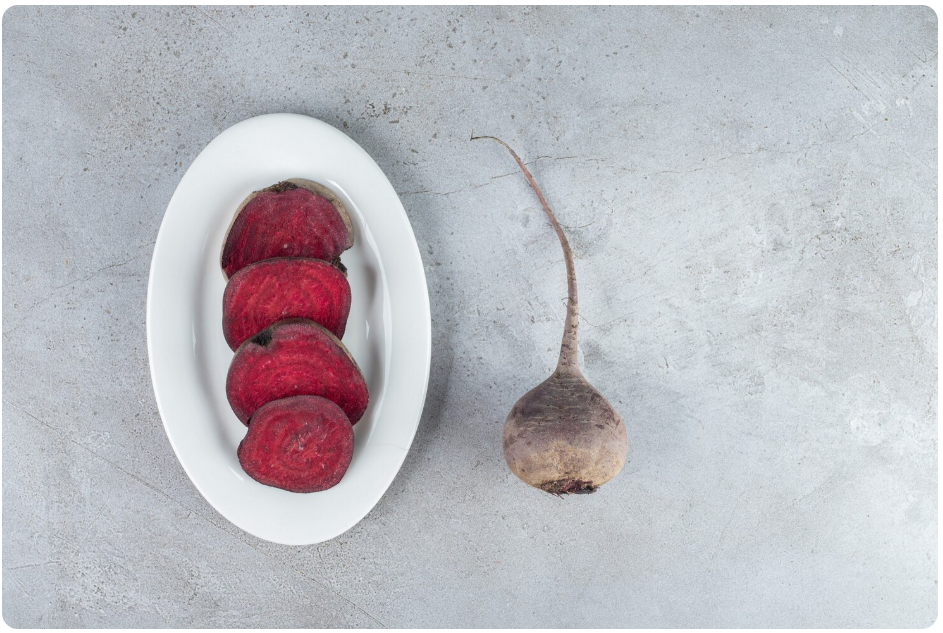
Finding a reliable source for the Colour of Beetroot feels like searching for a needle in a haystack sometimes. You need to make sure the pigment is stable enough for your specific food application. Some batches might seem stronger than others, depending on where the plants were harvested. It is always a smart idea to request a sample first to see how it performs in your own testing kitchen environment before buying it in huge quantities.
Using Beta Carotene Options
When you start adding beta carotene food coloring to your recipe, keep an eye on how it reacts with other fats. This ingredient is oil-soluble, so it works really well in dressings or buttery snacks. You might find that it separates if you do not mix it thoroughly into the oil phase first. Always keep your equipment clean to prevent any cross-contamination that could affect the final shade of your products during long runs. Proper mixing is key.
Managing Pigment Temperature Shifts
Most people do not realize that the Colour of Beetroot can change its appearance based on the temperature of the process. If you heat it too much during production, you might lose that deep red pop you were aiming for. Keep your temperatures moderate whenever possible to preserve the natural vibrancy of the extract. Taking detailed notes on these temperature ranges will help your team replicate the color later without any major issues during the process.
Clear Label Benefits Explained
Using beta carotene food coloring makes it much easier to keep your ingredient list looking clean and simple for shoppers. Customers are paying more attention to what they eat, so they prefer natural sources over synthetic ones. You might want to highlight the origin of your ingredients on your packaging to appeal to health-conscious buyers. It is a nice touch that adds real value to your brand identity while keeping everything very transparent for your local customers.
Testing For Perfect Shades
You really need to spend some time in the lab adjusting your percentages for the perfect orange hue. Even a tiny amount of beta carotene food coloring can shift the overall appearance of your product quite significantly in the wrong direction. Do not just rely on visual checks; use a colorimeter if you have one to stay consistent. Your goal is to keep the look the same from every batch you send out to retail store shelves.
Scaling Natural Production Flows
When you move to large-scale production, everything changes with your color dosing. You cannot just guess how much extract to add to your giant mixing tanks. You need precise, calibrated machinery to ensure that the Colour of Beetroot is distributed perfectly through every single batch you produce. Investing in better pumping systems or automatic dosing tools can actually save you a lot of headaches when you have to produce massive quantities for your customers to eat.
Handling Common Stability Issues
Sometimes the natural pigment reacts with acidic ingredients in your sauce or beverage base. It might turn a bit brownish or fade away if your pH balance is slightly off. You should definitely test your final product over several weeks to see how the color holds up in different environments. Being prepared for these small shifts is what separates a professional food manufacturer from an amateur hobbyist in this very busy market. Stay very vigilant always.
Conclusion
The food industry keeps moving toward better, cleaner options for everyone involved in the chain. You can check out foodrgb.com to see how these ingredients might improve your specific manufacturing workflows and product stability. Finding the right Colour Of Beetroot is a big step toward success in this competitive market. Since the market changes quickly, having a partner by your side helps you adapt to new challenges effectively. Feel free to contact the team to explore options for your next project, as they are happy to assist with technical questions whenever you need help. Reach out to the experts to start your project.